


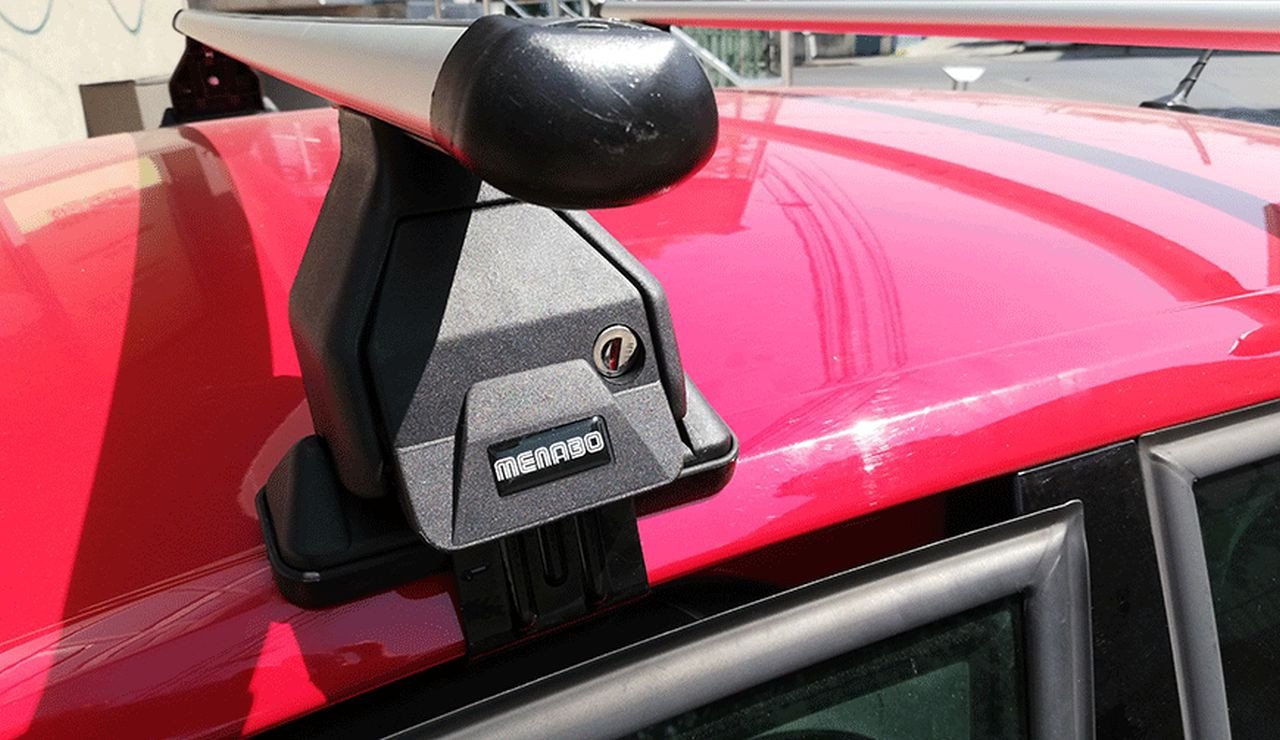
When a car is designed and tested by its manufacturer, it is built to be aerodynamic on the move. So any accessory you fit to your car will change the aerodynamics of its body. What does that mean?
Well, it means that no car accessory maker can guarantee that its accessories will not change your car's aerodynamics. It is a compromise you cannot avoid, whatever car you drive and whichever maker you buy your car accessories from.
So why do your roof bars whistle when you drive? Their profile, that is, the shape of the bars, also matters a great deal. Roof bars with a square profile are more likely to whistle than bars with an oval profile. Why? Again, it comes down to the aerodynamics of the bars on the move. A square profile creates more drag, while an oval profile lets the air flow past much more easily. Even so, bars with an oval profile can have the same problem.
In some cases, roof bars stay quiet with nothing on them, but the noise starts as soon as you attach accessories such as bike racks, ski racks or roof boxes.
Another factor that can add to roof bar whistling is how fast you drive. Roof bar maker Menabo, for example, gives advice and guidance on this type of car accessory: with roof bars fitted to your car, you should not drive faster than 130 km/h.
To reduce the whistling, or even get rid of it completely, you can try moving the roof bar feet further forward or further back. Even this, however, does not guarantee that the whistling will stop.
In short, when you buy and fit a set of roof bars, you need to allow for the possibility that they will make some noise while you drive. The general point to remember is that whenever your car's aerodynamics are changed, car accessories can cause issues like this.
For any advice or guidance on roof bars, please contact us through our website or by phone.
Comments